
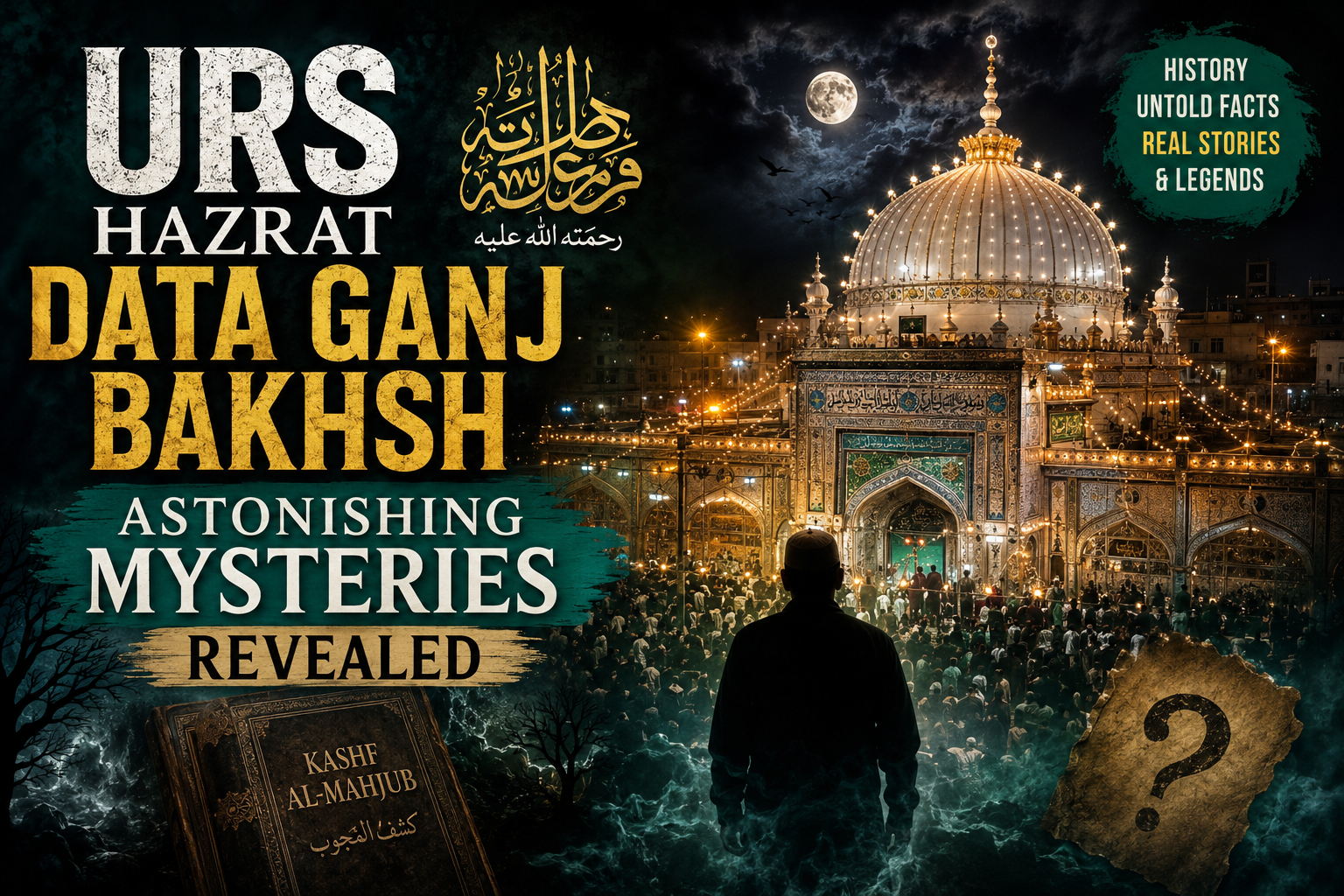
The Hazrat Data Ganj Bakhsh Urs (رحمة الله عليه) is celebrated by millions of people every year in Lahore. While most people know about the grand celebrations at Data Darbar, very few know the hidden mysteries, unanswered historical questions, and fascinating stories surrounding one of the greatest Islamic scholars of the 11th century.
The Hazrat Data Ganj Bakhsh Urs has become one of the largest religious gatherings in South Asia. Some of these mysteries are based on authentic history, while others are popular folklore passed down through generations.
In this article, we separate historical facts from unverified legends and explore the lesser-known side of Hazrat Data Ganj Bakhsh’s remarkable legacy.
Table of Contents
Who Was Hazrat Data Ganj Bakhsh (رحمة الله عليه)?
Hazrat Ali ibn Usman al-Hujwiri (رحمة الله عليه) was an 11th-century Islamic scholar, Sufi saint, theologian, and preacher. He was born in Ghazni (present-day Afghanistan) and later settled in Lahore, where he spent the final years of his life teaching Islam.
- Spreading the teachings of Islam
- Calling people to Tawheed (Oneness of Allah)
- Teaching purification of the heart
- Helping the poor and needy
- Promoting good manners and sincerity
He dedicated his life to:
His shrine, known as Data Darbar, is among the most visited Islamic shrines in Pakistan. He is also the author of Kashf al-Mahjub, one of the earliest and most influential books on Islamic spirituality.
The title Data Ganj Bakhsh means:
- Data = The Giver
- Ganj = Treasure
- Bakhsh = Bestower
The title shows how willing he is to share religious knowledge and spiritual advice. Muslims believe that Allah is the only one who can truly guide them and that good scholars and saints are His messengers.
What Is the Hazrat Data Ganj Bakhsh Urs?
The word Urs means “union” or “meeting.” In many Sufi traditions, it refers to the death anniversary of a saint, symbolizing their meeting with Allah after a life devoted to worship.
The Hazrat Data Ganj Bakhsh Urs is traditionally observed every year from 18 to 20 Safar at Data Darbar in Lahore, Pakistan. During these days, many visitors gather for Qur’an recitation, remembrance of Allah (dhikr), charity, Islamic lectures, and free meals (langar).
There are many years of history behind Hazrat Data Ganj Bakhsh Urs. After Hazrat Data Ganj Bakhsh (رحمة ؤلله زليه) died, his followers started celebrating his life by getting together to read from the Qur’an, remember Allah, and do good things for others. The Hazrat Data Ganj Bakhsh Urs keeps up this long-standing tradition today.
12 Hidden Mysteries of Urs Hazrat Data Ganj Bakhsh
A lot of people want to know about the Hazrat Data Ganj Bakhsh Urs that no one else knows about. In real history, we learn about Hazrat Data Ganj Bakhsh’s research and his famous book Kashf al-Mahjub. But in popular folklore, there are tales of strange lights, dreams, and otherworldly events. When talking about the Hazrat Data Ganj Bakhsh Urs, it’s important to tell the difference between documented history and oral stories from the area.
Below are lesser-known, well-grounded topics and open historical questions rather than unsupported supernatural claims.
1. Why Is His Real Name Less Famous Than His Title?
His real name was Ali ibn Usman al-Hujwiri (رحة الله عليه), but most people know him as Data Ganj Bakhsh.
Mystery: Why did his title become more famous than his actual name?
His title reflects his reputation for generosity in sharing spiritual knowledge, and over centuries it became the name by which millions remember him.
2. The Mystery of His Long Journey
Before reaching Lahore, Hazrat Data Ganj Bakhsh traveled through many regions, including:
- Khurasan
- Persia
- Iraq
- Central Asia
- Syria
Mystery: Historians still can’t figure out every step of his journey. We don’t know for sure where he went in some places because complete records were not kept.
3. Why Did He Choose Lahore?
One of the greatest historical questions is:
Why did he settle in Lahore instead of returning to his homeland?
Some historians believe he came to preach Islam and educate the local population. Others say he remained there because of his spiritual mission. No definitive historical record explains his final decision.
4. The Lost Details of His Early Life
Very little is known about:
- His childhood
- His family life
- His daily routine as a young student
Unlike many later scholars, no detailed biography from his youth has survived.
5. The Mystery Behind Kashf al-Mahjub
His famous book, Kashf al-Mahjub, remains one of the earliest Persian works on Sufism.
Interesting question: How did a single book survive for nearly a thousand years while many other writings from that era disappeared?
Scholars believe its preservation was due to continuous copying by students and its enduring influence.
6. Were All His Books Preserved?
No.
Historical sources mention that Hazrat Data Ganj Bakhsh wrote more than one work.
Mystery: Several of these writings are believed to have been lost over time. Their exact contents are unknown.
7. His Teachers
He studied under respected scholars, but historians cannot identify every one of his teachers with certainty.
Some names are recorded, while others have been lost to history.
8. His Exact Burial Place Was Once Simple
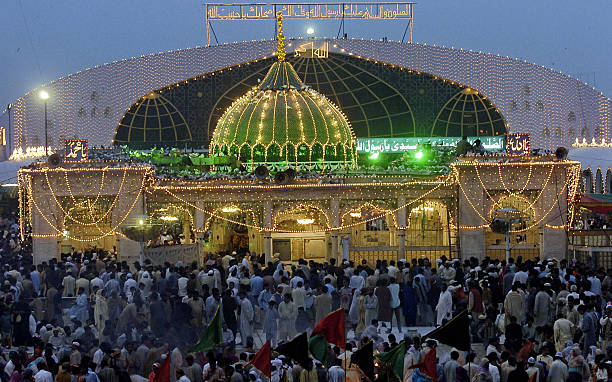
Today, Data Darbar is one of the largest religious complexes in South Asia.
Lesser-known fact: His original grave was much simpler. Over centuries, rulers and patrons expanded the shrine, so its appearance has changed dramatically from what it was in the 11th century.
9. Why Is Lahore Called the “City of Data”?
Many people use this title for Lahore.
Question: When did this nickname first appear?
There is no clear historical document identifying exactly when Lahore became widely known as the “City of Data.” The title developed gradually as his influence grew.
10. How Did His Teachings Reach So Many Lands?
Without printing presses, radio, television, or the internet, his ideas spread across South Asia and beyond.
His students, handwritten manuscripts, and traveling scholars carried his teachings from one region to another over generations.
11. The Mystery of His Exact Death Date
It is widely accepted that Hazrat Data Ganj Bakhsh passed away in the 11th century, but historians differ on the exact Gregorian year. This is common for many scholars of that period because historical records were limited and later chroniclers sometimes gave different dates.
12. Did He Perform Miracles?
Many traditional biographies and oral accounts attribute karāmāt (extraordinary events) to Hazrat Data Ganj Bakhsh. However, the authenticity of individual miracle stories varies, and many cannot be verified through early historical sources.
In Islam, miracles are never the basis for judging a person’s rank. The strongest evidence of a righteous scholar’s legacy is their knowledge, character, and service to the religion.
The Greatest Mystery
Perhaps the greatest mystery is not about his shrine or travels, but about how one scholar’s teachings have continued to influence hearts for nearly a thousand years. His surviving writings, especially Kashf al-Mahjub, remain studied today, while many works from the same era have disappeared from history.
This enduring legacy reminds us that sincere knowledge and good character can outlive generations, even when many details of a person’s life have been lost.
Miracles of Data Darbar
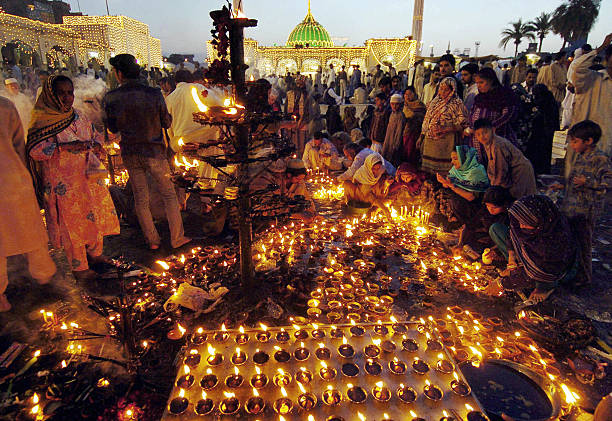
People often connect the Hazrat Data Ganj Bakhsh Urs with stories about the Miracles of Data Darbar. For hundreds of years, people who have visited the Urs have talked about how they found peace, hope, and healing from their problems after going there.
1. Reports of Mysterious Lights
Some visitors claim they have seen unusual lights around Data Darbar, especially late at night or before dawn.
What people say:
- Soft white or greenish lights appear briefly.
- The lights disappear suddenly.
- Some believe they are a sign of blessings.
Reality: There is no authentic historical or Islamic evidence proving these lights are supernatural. They may have natural explanations or be personal experiences.
2. Dreams of Hazrat Data Ganj Bakhsh (رحمة الله عليه)
Many people claim they saw Hazrat Data Ganj Bakhsh (رحمة الله عليه) in their dreams.
Common claims include:
- Receiving advice.
- Being encouraged to repent.
- Feeling peace after the dream.
Islamic perspective: Dreams can be meaningful for the individual, but they are not a source of Islamic law or historical proof. One person’s dream cannot be used as evidence for everyone else.
3. Stories of Miraculous Help
Some visitors say that after praying to Allah during a visit to the shrine, their difficulties became easier, such as:
- Recovery from illness.
- Finding employment.
- Family reconciliation.
Important: Muslims believe that Allah alone answers prayers. People may interpret the timing of positive events in different ways, but these personal stories cannot be verified as miracles.
4. Unusual Feelings Inside the Shrine
Some visitors report experiencing:
- A strong sense of peace.
- Deep emotion or tears.
- Feeling spiritually moved.
Others report no unusual feelings at all.
Such experiences are subjective and can be influenced by faith, expectations, and the atmosphere of a place. They are not objective evidence of supernatural events.
5. Stories Shared by Shrine Caretakers
Over generations, some caretakers and visitors have told stories about:
- Strange fragrances appearing without an obvious source.
- People claiming remarkable personal experiences after visiting.
- Unexpected events that they believed were signs of divine favor.
These accounts are part of local oral tradition and have not been established through reliable historical documentation.
What do people do at Data Darbar Mela?
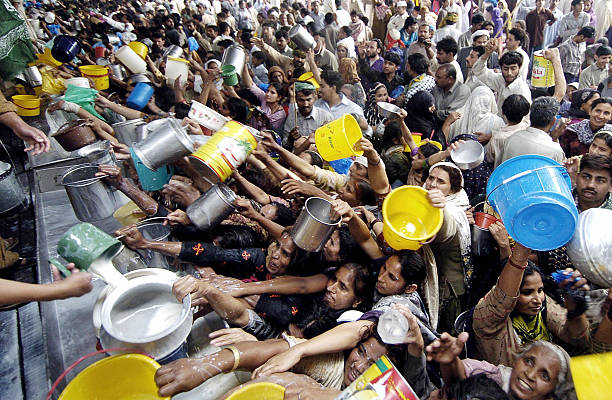
People who go to the Hazrat Data Ganj Bakhsh Urs do a lot of different things. Reciting the Holy Qur’an, saying the dua, going to Islamic lectures, giving free food (langar), visiting Islamic book stands, and learning about what Hazrat Data Ganj Bakhsh taught are some of these things.
People who are interested in Islamic history, study, and history buffs also visit the Hazrat Data Ganj Bakhsh Urs.
- Visit the shrine to pay respects.
- Recite the Holy Qur’an.
- Make dua (supplication) to Allah.
- Offer Fateha (recitation of Qur’anic verses and prayers for the deceased).
- Participate in Dhikr (remembrance of Allah).
- Send Salawat upon Prophet Muhammad ﷺ.
- Listen to Islamic lectures by scholars.
- Attend Qur’an recitation gatherings.
- Distribute free food (Langar) to visitors.
- Distribute free milk to visitors.
- Donate money for charity and welfare.
- Feed the poor and needy.
- Meet family and friends attending the Urs.
- Visit book stalls selling Islamic books and literature.
- Buy religious items, such as prayer beads (tasbih), caps, perfumes (attar), and Islamic calligraphy.
- Purchase sweets and local foods from temporary stalls.
- Visit souvenir shops around the shrine.
- Take part in Qawwali gatherings, where devotional poetry is performed. (Scholars differ on the permissibility of musical forms associated with some gatherings.)
- Observe the ceremonial washing (ghusl) of the shrine on designated occasions.
- Watch the ceremonial opening of the Urs and official events.
- Spend time in personal reflection and worship.
- Volunteer by helping manage crowds or serving visitors.
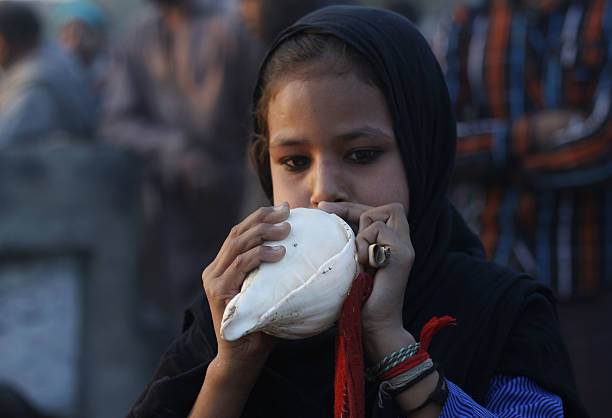
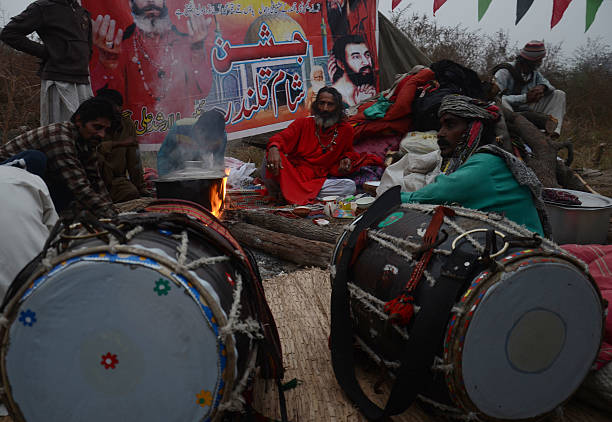
- Devotees (Malang) take part during three days of urs.
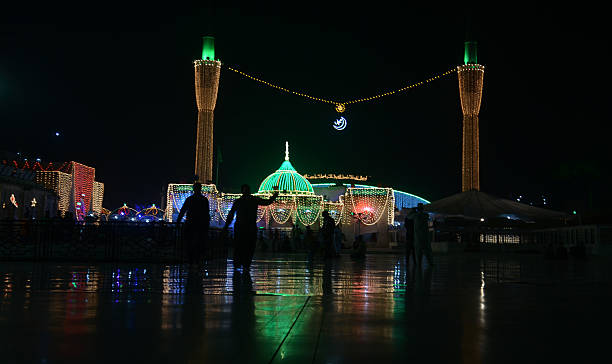
- Light up the shrine area with decorative illumination during the Urs period.
- Visit nearby markets set up for the mela.
- Travel from different cities and countries to attend the gathering.
- Learn about the life and teachings of Hazrat Data Ganj Bakhsh (رحمة الله عليه) through books and lectures.
Conclusion
The Hazrat Data Ganj Bakhsh Urs is more than an annual gathering. It is a reminder of the legacy of one of Islam’s most influential scholars. Alongside authentic history, many mysteries and legends have become part of the cultural memory surrounding his life.
For readers seeking the truth, it is essential to distinguish between verified historical facts, personal experiences, and local folklore. Respecting this distinction allows us to appreciate both the rich history of Hazrat Data Ganj Bakhsh (رحمة الله عليه) and the importance of relying on authentic Islamic sources.
The history surrounding great Islamic scholars and spiritual figures often contains a mixture of documented history, tradition, and popular stories. To explore more mysteries connected to Islamic history, read about the ancient city of Iram and the nations mentioned in Islam.
FAQ
What is the Urs Hazrat Data Ganj Bakhsh?
It is the annual commemoration of Hazrat Ali ibn Usman al-Hujwiri’s (رحمة الله عليه) death anniversary, observed by many Muslims with prayers, Qur’an recitation, charity, and religious gatherings.
Are the mysterious stories about Data Darbar true?
Most stories about lights, dreams, and extraordinary events are personal claims or local folklore and are not verified by authentic historical or Islamic sources.
Why is Hazrat Data Ganj Bakhsh famous?
He is famous for spreading Islamic knowledge, teaching spirituality based on the Qur’an and Sunnah, and writing Kashf al-Mahjub.
What is the biggest historical mystery about Hazrat Data Ganj Bakhsh?
Some of the biggest mysteries include the missing details of his early life, his lost writings, his exact travel routes, and why he chose Lahore as his permanent home.