
Denisovans are a mysterious ancient human group. For decades, Denisovans remained one of the greatest mysteries in human evolutionary research. Identified initially through ancient DNA extracted from a tiny finger bone, these ancient humans left behind remarkably few recognizable fossils. But discoveries in China in 2026 are changing that picture, revealing new clues about their appearance, lifestyle, geographical range and relationship with modern humans.
Table of Contents
Introduction: The Ancient Humans Hidden in a Tiny Bone
What if scientists discovered an entirely unknown group of ancient humans from a bone fragment small enough to fit inside the palm of a hand?
That is almost exactly how the story of the Denisovans began.
In 2010, researchers studying a small fossilized finger bone from Denisova Cave in Siberia made an extraordinary discovery. When they extracted and examined its ancient DNA, they realized that the individual did not belong to a known modern human or Neanderthal population.
Instead, the genetic material belonged to a previously unidentified ancient human lineage.
The discovery opened a new chapter in the study of human origins.
Yet there was a problem: scientists knew surprisingly little about these people. They had no extensive collection of complete skeletons, no reliable portrait of their faces and very limited evidence about their everyday lives.
For years, the Denisovans remained almost invisible in the archaeological record.
That is now beginning to change.
In September 2026, researchers reported newly identified Denisovan fossils from Bianfu Cave in southwestern China. The remains included fragments of a skull, teeth and an important forearm bone. Just weeks later, another study published in Nature on October 21 provided further evidence linking ancient human fossils from northern China to the Denisovan lineage.
Together, these findings are helping scientists answer questions that have remained unresolved for more than a decade.
Who were the Denisovans? What did they look like? How did they survive in ancient environments? And could traces of their DNA still be influencing people alive today?
The answers reveal a fascinating and complicated chapter of human history.
1. The 2010 Discovery: How a Tiny Finger Bone Revealed an Unknown Human Lineage
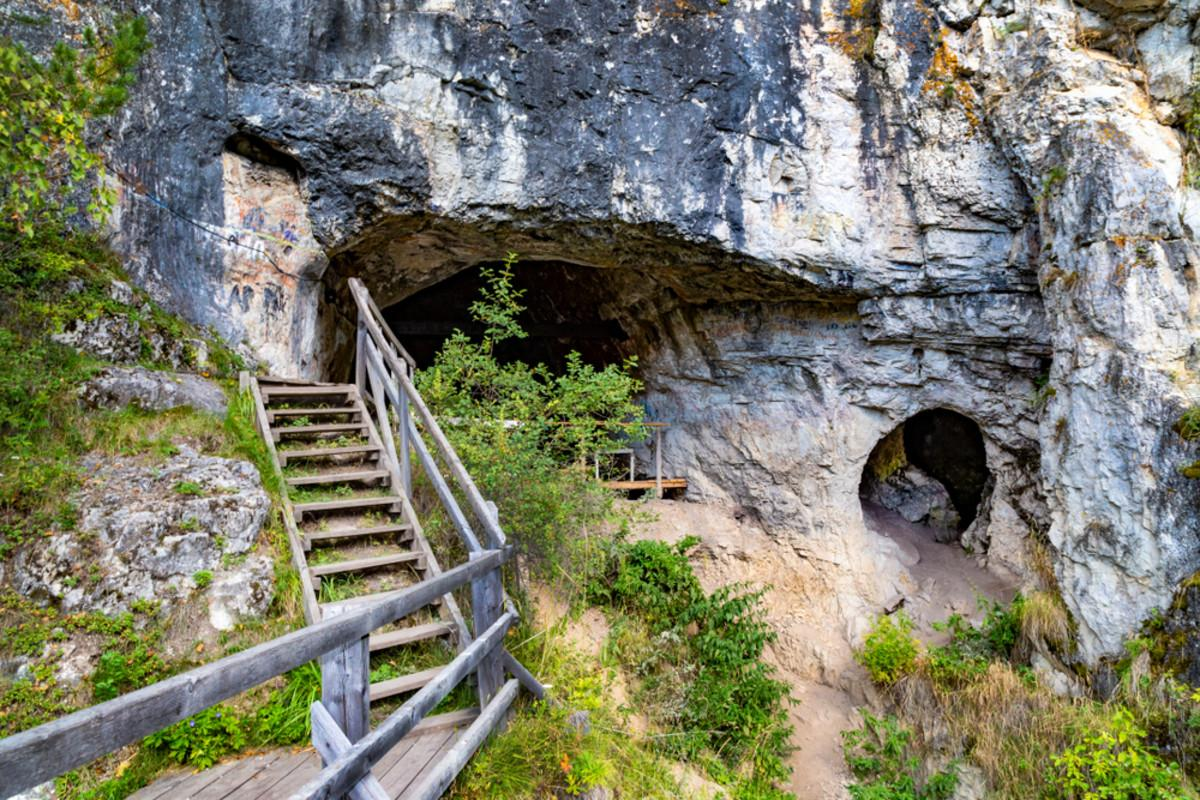
The story begins in Denisova Cave, located in the Altai Mountains of southern Siberia.
Archaeologists had been investigating the cave for years, recovering ancient animal remains, stone tools and human fossils.
Among the discoveries was a small finger bone belonging to an individual who had lived tens of thousands of years ago.
At first, the fossil appeared to be just another fragment of ancient human remains.
But scientists decided to investigate its genetic material.
In 2010, a research team published the results of an analysis of mitochondrial DNA extracted from the bone. The genetic sequence was sufficiently different from those of modern humans and known Neanderthals to suggest that it belonged to a previously unrecognized human population.
Further genome research strengthened this conclusion.
The researchers identified a distinct ancient human group and named them Denisovans, after the cave where the original remains were discovered.
The finding was particularly important because it demonstrated that ancient DNA could reveal human populations that might otherwise remain unidentified.
Scientists had discovered an ancient human lineage without first recognizing it from a complete skeleton.
Original scientific evidence: Reich and colleagues, Genetic history of an archaic hominin group from Denisova Cave in Siberia, Nature, 2010.
2. The 2026 Discovery in China: Rare Bones Reveal More About Denisovans
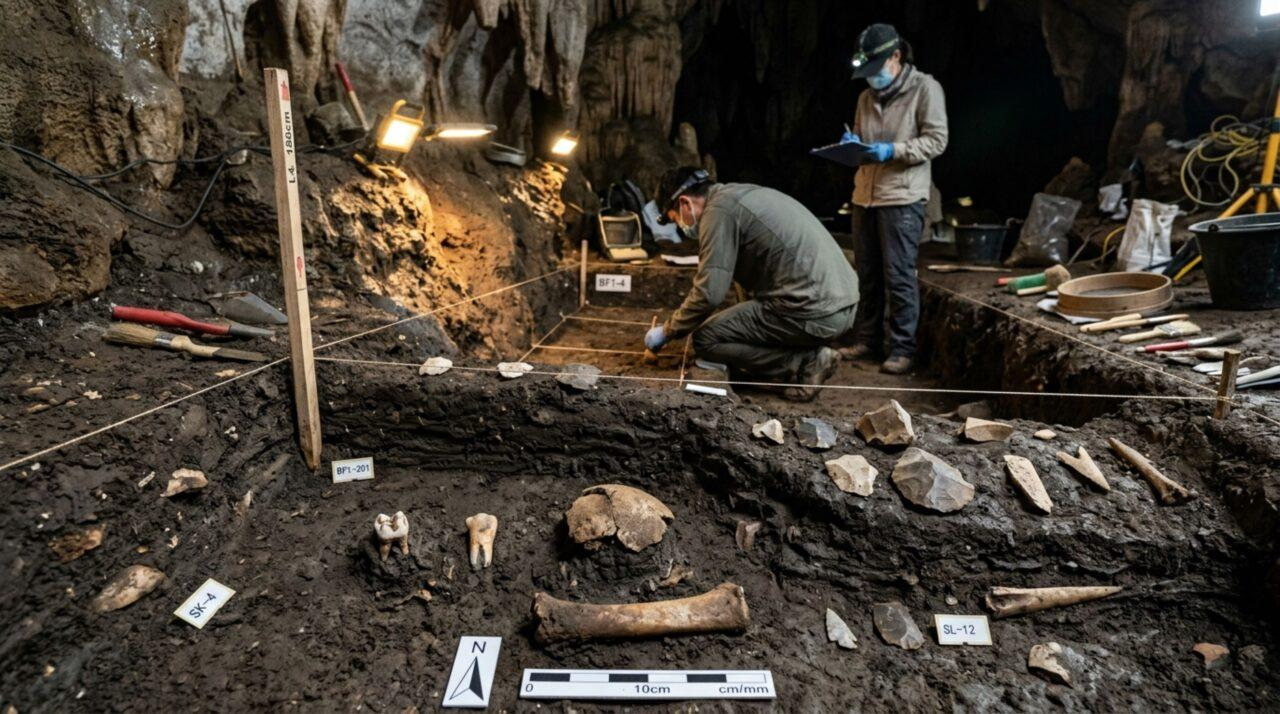
One of the most important recent developments came from Bianfu Cave in Yunnan Province, southwestern China.
In September 2026, researchers published a study in Nature identifying additional Denisovan remains from the cave.
The fossils included:
- Two fragments of parietal bones, which form part of the skull.
- A fragment of the proximal radius, a bone in the forearm.
- Additional teeth associated with the Denisovan remains.
The fossils were dated to approximately 167,000–134,000 years ago.
Why is this important?
Before this discovery, scientists had very limited evidence about the physical structure of Denisovans beyond their skulls, teeth and a few other isolated remains.
The forearm bone is particularly valuable because it offers an opportunity to investigate the anatomy of a part of the body that was previously poorly represented in the Denisovan fossil record.
The researchers also screened more than 60,000 bone fragments recovered from the cave.
Only a small proportion were selected for further investigation, demonstrating how difficult it can be to identify ancient human remains among thousands of animal fossils.
Bianfu Cave is now one of the richest known Denisovan fossil localities outside Denisova Cave itself.
The discovery is helping fill a major geographical gap in the known distribution of Denisovans.
Primary research: Rao and colleagues, Ancient proteins identify various Denisovan remains from Southwest China, Nature, September 9, 2026.
3. October 2026: Scientists Begin to Put a Face to the Denisovans
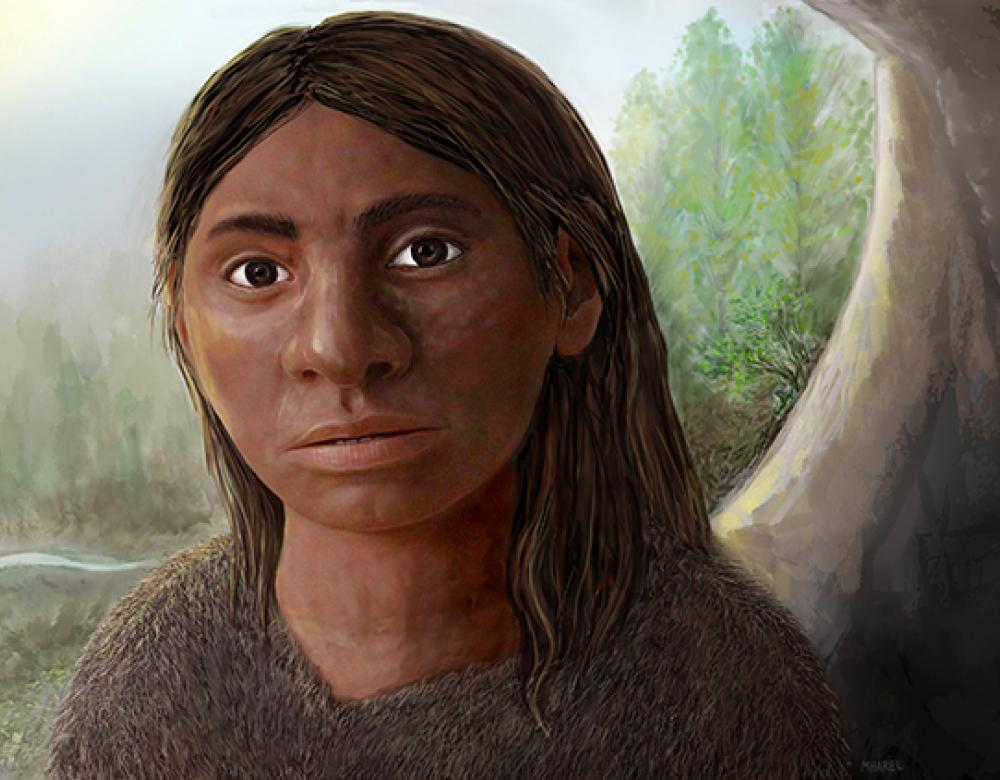
Perhaps the most fascinating development arrived on October 21, 2026.
Researchers published another study in Nature examining fossils from Xujiayao, an archaeological site in northern China.
The fossils had been discovered decades earlier, but their evolutionary identity had remained controversial.
Some researchers had proposed that they belonged to a separate ancient human group.
However, a new investigation using ancient protein analysis identified Denisovan-associated molecular evidence in two fossil specimens.
The researchers identified a particular amino-acid variation in the COL1A2 protein, known as COL1A2-996K, which supported their Denisovan affiliation.
They also compared the fossils’ physical characteristics with those of other ancient human remains from East Asia.
The study described a combination of features associated with Denisovans, including:
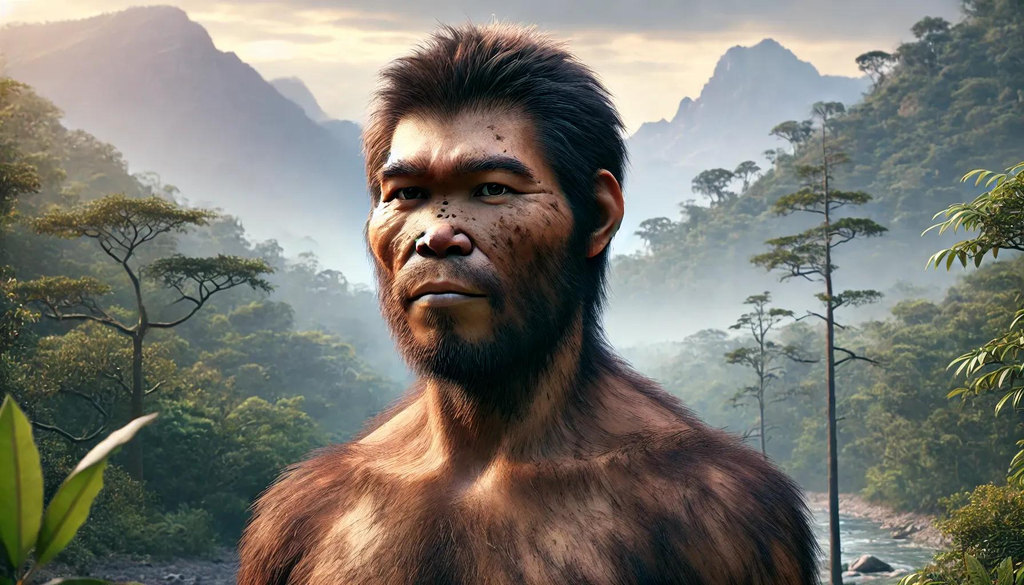
- A relatively low cranial profile.
- A thick skull vault.
- Prominent brow ridges.
- Relatively flat cheek regions.
- Weak facial projection.
- Distinctive cranial and jaw characteristics.
This evidence is helping researchers build a more detailed understanding of what Denisovans may have looked like.
However, it is important to remember that these are reconstructions based on incomplete fossils, not photographs or complete skeletons.
The discovery matters because scientists are beginning to connect fossils that were previously classified differently into a broader Denisovan evolutionary picture.
Original research: Xing and colleagues, The proteome of Middle Pleistocene Xujiayao and common Denisovan morphology, Nature, October 21, 2026.
4. How Can Scientists Identify an Ancient Human From Proteins?
One of the most remarkable aspects of the new discoveries is the technology used to identify the fossils.
Scientists cannot always recover ancient DNA from extremely old bones.
DNA molecules gradually break down over time, especially when exposed to heat, moisture and microorganisms.
Proteins, however, can sometimes survive in ancient remains after much of the DNA has degraded.
This is where palaeoproteomics becomes important.
Palaeoproteomics is the study of ancient proteins preserved in archaeological and fossil material.
Researchers can extract proteins from a fossil, identify their molecular sequences and compare them with those found in other organisms.
One important technique used in this research is mass spectrometry.
How the process works
Step 1: Fossil selection
Researchers examine thousands of bone fragments and select those that may belong to ancient humans.
Step 2: Protein extraction
Small quantities of preserved proteins are extracted from the fossil.
Step 3: Molecular analysis
Mass spectrometry helps identify protein fragments called peptides.
Step 4: Comparison
Scientists compare the identified peptide sequences with known reference sequences from modern humans and other ancient populations.
Step 5: Identification
Distinctive molecular variations can help establish whether a fossil belongs to a particular evolutionary lineage.
In the Bianfu Cave research, scientists identified a Denisovan-associated amino-acid variant in the collagen protein COL1A2.
This provided molecular evidence supporting the identification of the remains.
The significance is enormous: ancient proteins are giving researchers a new way to identify fossils that might otherwise remain scientifically mysterious.
5. How Did Denisovans Live? Evidence From Ancient Tools and Animal Remains
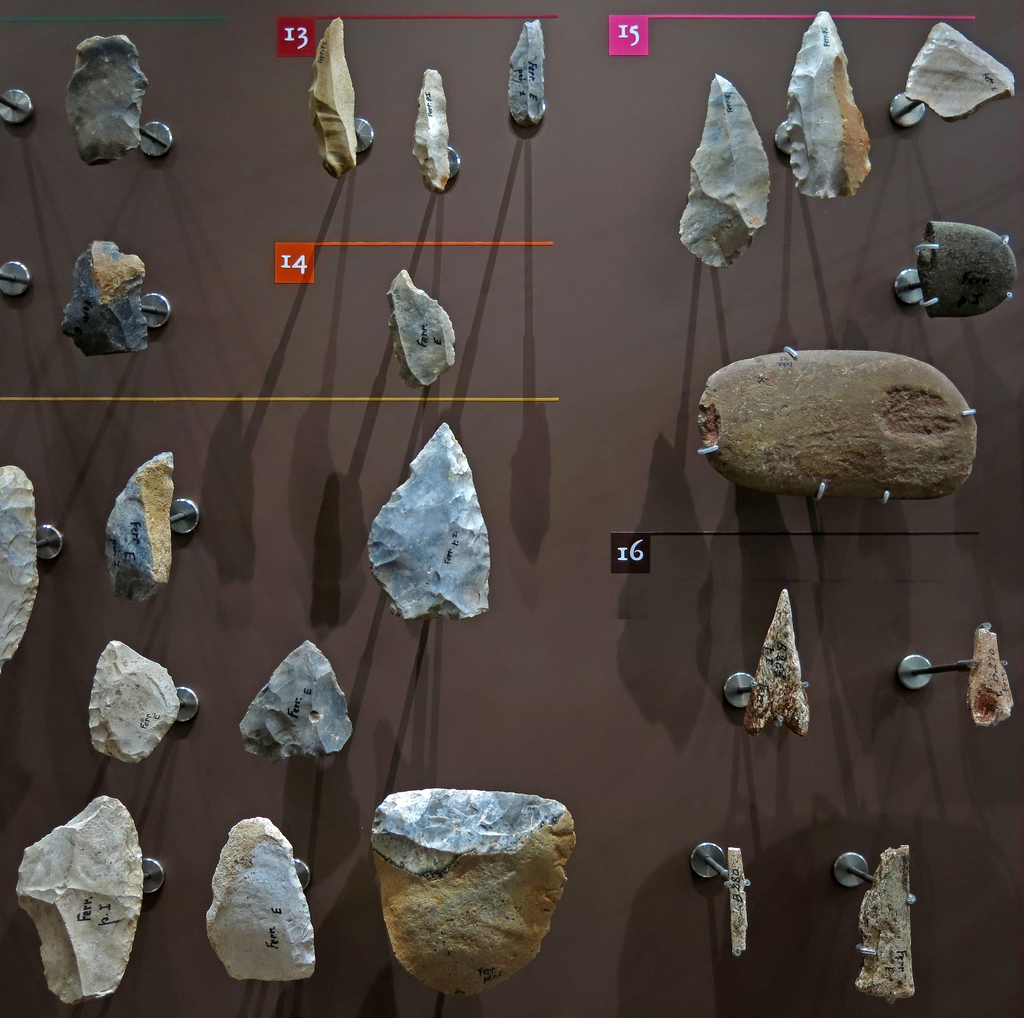
Discovering ancient bones tells scientists who may have lived in a particular place.
But understanding how these people survived requires additional evidence.
At Bianfu Cave, researchers also examined stone tools, animal remains and environmental evidence.
The archaeological deposits contained approximately 1,366 stone artefacts.
The wider cultural sequence extended from approximately 190,000 to 70,000 years ago.
Researchers found evidence of:
- Stone tools produced through relatively simple core-reduction techniques.
- Unmodified and minimally processed bone tools.
- Animal remains associated with hunting activities.
- Environmental evidence indicating forest and forest-steppe conditions.
The study suggested that the cave’s inhabitants practised specialized hunting of medium-sized and large-bodied animals.
This is particularly interesting because it suggests that Denisovans had developed ways of exploiting their environment without necessarily relying on highly elaborate tool manufacturing.
A simple-looking tool does not automatically mean its maker lacked intelligence.
Tool technology is shaped by available materials, the environment and the particular task being performed.
The evidence from Bianfu Cave therefore provides a more realistic picture of ancient human adaptation.
Rather than viewing Denisovans only as mysterious fossils, researchers can now investigate their behaviour through the archaeological remains associated with them.
6. Where Did the Denisovans Live?
For many years, Denisovans were primarily associated with Denisova Cave in Siberia.
However, discoveries across Asia have gradually revealed a much wider geographical distribution.
Important fossil locations include:
Denisova Cave, Siberia: The location where the lineage was first identified through ancient DNA.
Baishiya Karst Cave, Tibetan Plateau: Associated with Denisovan remains, including a mandible and a rib.
Bianfu Cave, Yunnan, China: The location of the 2026 discoveries of skull fragments, teeth and a forearm bone.
Xujiayao, northern China: An important fossil assemblage whose Denisovan affiliation was supported by the October 2026 protein study.
Penghu, Taiwan Strait: A fossil mandible whose ancient protein evidence has been associated with the Denisovan lineage.
These locations suggest that Denisovans occupied a substantial part of Asia.
Their remains are associated with different environmental conditions, including colder regions, forested landscapes and the high-altitude Tibetan Plateau.
This raises an important question:
How could one ancient human lineage survive across such different environments?
The answer may involve a combination of physical adaptation, behavioural flexibility, migration and interaction with other human populations.
More discoveries are needed to reconstruct the full story.
THE DENISOVANS
From a tiny bone to a lost human population, follow the scientific discoveries that revealed a hidden branch of our ancient human family.
A Tiny Bone in a Siberian Cave
A small finger bone is discovered in Denisova Cave, in the Altai Mountains of Siberia.
DNA Reveals a Hidden Human Group
Scientists analyse ancient DNA from the finger bone and discover that it belongs to a previously unknown group of ancient humans.
Meet the Denisovans
A previously unknown ancient human population becomes part of the story of human evolution.
Teeth & Bone Fragments
Additional fossils from different archaeological sites help researchers investigate Denisovan anatomy and distribution.
Ancient DNA & Proteins
Genetic analysis and ancient proteins help identify remains that may be difficult to classify from appearance alone.
Evidence Beyond Siberia
Findings from sites in Asia suggest Denisovan populations had a much wider geographical presence than the original cave discovery suggested.
Denisovans Interbred With Modern Humans
Ancient DNA shows that Denisovans and ancestors of some modern human populations had children together.
Ancient DNA in People Today
Some populations today carry Denisovan ancestry. One inherited gene variant is associated with high-altitude adaptation in Tibetans.
What We Still Don’t Know
Despite remarkable discoveries, many chapters of Denisovan history remain hidden.
NOOR AFTER DARK · Exploring History, Science & Mystery
7. The Genetic Mystery: Denisovan DNA Still Exists in Some Modern Humans
One of the most extraordinary findings about Denisovans is that their genetic legacy did not disappear completely.
Genetic studies have found Denisovan-related ancestry in several modern human populations.
Some populations in Oceania carry relatively substantial proportions of Denisovan ancestry.
This suggests that ancient Denisovans and the ancestors of modern humans sometimes interbred.
These encounters probably occurred at different times and in different geographical locations.
But the story becomes even more interesting when scientists examine high-altitude adaptation.
The Tibetan connection
Living at high altitude presents a serious biological challenge.
The air contains less available oxygen, and the human body must adapt to survive.
Researchers studying Tibetan populations identified a genetic variant in a gene called EPAS1.
This gene is involved in the body’s response to low oxygen levels.
In 2014, researchers published evidence in Nature suggesting that the unusual EPAS1 genetic variant found in Tibetans was inherited through interbreeding with Denisovan-related ancient humans.
This was an important discovery because it demonstrated how genetic material from an extinct human lineage could contribute to adaptations in modern populations.
It also suggests that ancient human interactions were not simply encounters between unrelated groups.
Their biological legacies could continue across many generations.
Original research: Huerta-Sánchez and colleagues, Altitude adaptation in Tibetans caused by introgression of Denisovan-like DNA, Nature, 2014.
8. Were Denisovans Neanderthals or Modern Humans?
Denisovans were closely related to Neanderthals, but they were not the same population.
Genetic evidence indicates that Denisovans and Neanderthals shared a common ancestral lineage before becoming distinct evolutionary groups.
Modern humans, Neanderthals and Denisovans are therefore connected through a complex evolutionary history.
There is also evidence of genetic exchange between these groups.
However, the exact relationships are still being investigated.
The discovery of new fossils is especially important because scientists need to connect genetic findings with physical evidence.
A fossil can reveal anatomical characteristics, while DNA and proteins can provide molecular evidence of biological relationships.
Together, these methods help researchers develop a more complete picture.
One important distinction is that the term Denisovan describes an ancient human lineage identified through molecular and fossil evidence. Its precise formal taxonomic classification remains an area of scientific discussion.
9. Why Did Denisovans Disappear?
This is one of the biggest unanswered questions.
Scientists have not established a single confirmed explanation for why Denisovans eventually disappeared as a distinct recognizable population.
Several possibilities are being investigated.
Environmental changes
Climate conditions changed considerably during the Pleistocene.
Temperature shifts, changing vegetation and variations in available food could have affected ancient human populations.
Competition and changing populations
As modern humans expanded into different parts of Asia, they may have encountered Denisovan populations.
Competition for resources and changing ecological conditions could have influenced their survival.
Interbreeding
Some Denisovan populations contributed genetic material to modern humans.
It is possible that genetic assimilation played a role in the disappearance of some distinct Denisovan populations.
Small and fragmented populations
Ancient populations may have been geographically separated and relatively small.
This could have made them vulnerable to environmental changes and demographic pressures.
However, these explanations should not be treated as proven causes.
The available evidence does not yet establish exactly when or why all Denisovan populations ceased to exist as distinct groups.
Their genetic legacy, however, survives in some people today.
10. An Islamic Perspective: Reflecting on Human History and the Signs of Creation
Scientific discoveries about ancient human populations naturally raise questions about humanity, creation and the history of life.
For Muslim readers, these discoveries can provide an opportunity to reflect on the complexity of the natural world.
The Quran repeatedly encourages people to observe the Earth, consider the signs of creation and seek understanding.
In Surah Al-Ankabut, Allah says:
قُلْ سِيرُوا فِي الْأَرْضِ فَانْظُرُوا كَيْفَ بَدَأَ الْخَلْقَ
Translation: “Say, travel throughout the land and observe how He began creation.” (Quran 29:20)
This verse encourages reflection on creation.
The discoveries of ancient fossils, preserved proteins and genetic evidence demonstrate how much information can remain hidden in the natural world for thousands of years.
At the same time, an important distinction must be maintained.
The discovery of Denisovans does not independently prove or disprove Islamic teachings about Adam (AS) or human creation.
Questions about Adam (AS), the first human and the nature of humanity are theological matters that should be discussed through authentic Islamic sources and qualified scholarship.
Likewise, scientific findings should be presented according to the evidence actually available.
Muslim readers can explore archaeological and scientific discoveries while maintaining respect for both accurate research and religious understanding.
11. What Could Scientists Discover Next?
The Denisovan story is far from complete.
In fact, the latest research has created even more questions.
Future archaeological investigations could reveal:
More complete skeletons: Additional bones could help reconstruct Denisovan anatomy and physical characteristics.
New DNA evidence: Better-preserved genetic material could reveal relationships between different Denisovan populations.
More ancient settlements: Other caves in Asia may contain previously unidentified Denisovan remains.
Improved archaeological dating: Better dating techniques could clarify when Denisovans occupied particular regions.
More evidence of interaction: Genetic studies could help establish where Denisovans encountered Neanderthals and modern humans.
New identification techniques: Improved ancient-protein analysis could help identify fossils that have previously been classified as animal remains or unidentified archaic humans.
Every new discovery could change what researchers currently understand about this ancient population.
Conclusion
For more than a decade, Denisovans were known primarily through a tiny finger bone, ancient DNA and a limited collection of fossils.
Today, researchers are beginning to reconstruct a much more detailed picture of their existence.
The discoveries at Bianfu Cave in southwestern China have provided important evidence about their anatomy, geographical distribution and survival strategies.
The October 2026 research on Xujiayao fossils has further strengthened the connection between Denisovans and ancient human remains found across East Asia.
Perhaps the most remarkable lesson is that scientific discoveries do not always begin with spectacular skeletons or dramatic archaeological finds.
Sometimes, the key to understanding an entire ancient population lies in a tiny fragment of bone or a protein that has survived for more than 100,000 years.
The Denisovans remind us how much of human history remains hidden beneath the Earth’s surface.
And as scientists continue searching, the next discovery could reveal another forgotten chapter of our ancient past.
The discovery of the Denisovans is another reminder of how much remains unknown about the history of life and the universe. Similar mysteries continue to emerge through modern scientific research.
Explore the mysterious galaxy with almost no stars, known as Cloud-9, discover the ghost particles detected beneath Antarctic ice, and learn about the mysterious underground cave scientists are investigating on the Moon. If you are curious about the possibility of life beyond Earth from an Islamic perspective, read our exploration of aliens in Islam.
References
The following primary research publications provide the strongest evidence behind this article.
- Rao et al. (2026) — Ancient proteins identify various Denisovan remains from Southwest China. Nature.
https://doi.org/10.1038/s41586-026-10976-9 - Ruan et al. (2026) — Denisovans from southwestern China and their subsistence strategies. Nature.
https://doi.org/10.1038/s41586-026-10997-4 - Xing et al. (2026) — The proteome of Middle Pleistocene Xujiayao and common Denisovan morphology. Nature.
https://doi.org/10.1038/s41586-026-11132-z - Reich et al. (2010) — Genetic history of an archaic hominin group from Denisova Cave in Siberia. Nature.
https://doi.org/10.1038/nature09710 - Huerta-Sánchez et al. (2014) — Altitude adaptation in Tibetans caused by introgression of Denisovan-like DNA. Nature.
https://doi.org/10.1038/nature13408
Frequently Asked Questions
1. Who were the Denisovans?
Denisovans were an ancient human lineage closely related to Neanderthals and modern humans. They were first identified through DNA extracted from a fossil found in Denisova Cave in Siberia in 2010.
2. Where were Denisovans discovered?
Their remains have been identified at several locations across Asia, including Siberia, the Tibetan Plateau, southwestern China, northern China and the Taiwan Strait.
3. What did Denisovans look like?
Recent fossil and protein research suggests that Denisovans had a relatively low skull profile, prominent brow ridges, broad facial features and distinctive cranial characteristics. Their complete appearance remains uncertain.
4. Did Denisovans interbreed with modern humans?
Yes. Genetic evidence demonstrates that some ancient Denisovan populations interbred with ancestors of modern humans. Denisovan-related ancestry survives in several present-day populations.
5. Do modern humans have Denisovan DNA?
Some modern populations, particularly in Oceania and parts of Asia, carry Denisovan-related genetic ancestry.